

A bamboo matcha whisk (chasen) is crafted through 8 steps: rough bamboo shaping, tine thinning, splitting, separating, curling, heat-setting, binding, and final shaping. Machinery handles the initial shaping for consistent dimensions, while the remaining steps rely heavily on skilled hand-finishing. Here’s the full process, and why it matters when comparing suppliers.
1. Rough Bamboo Processing
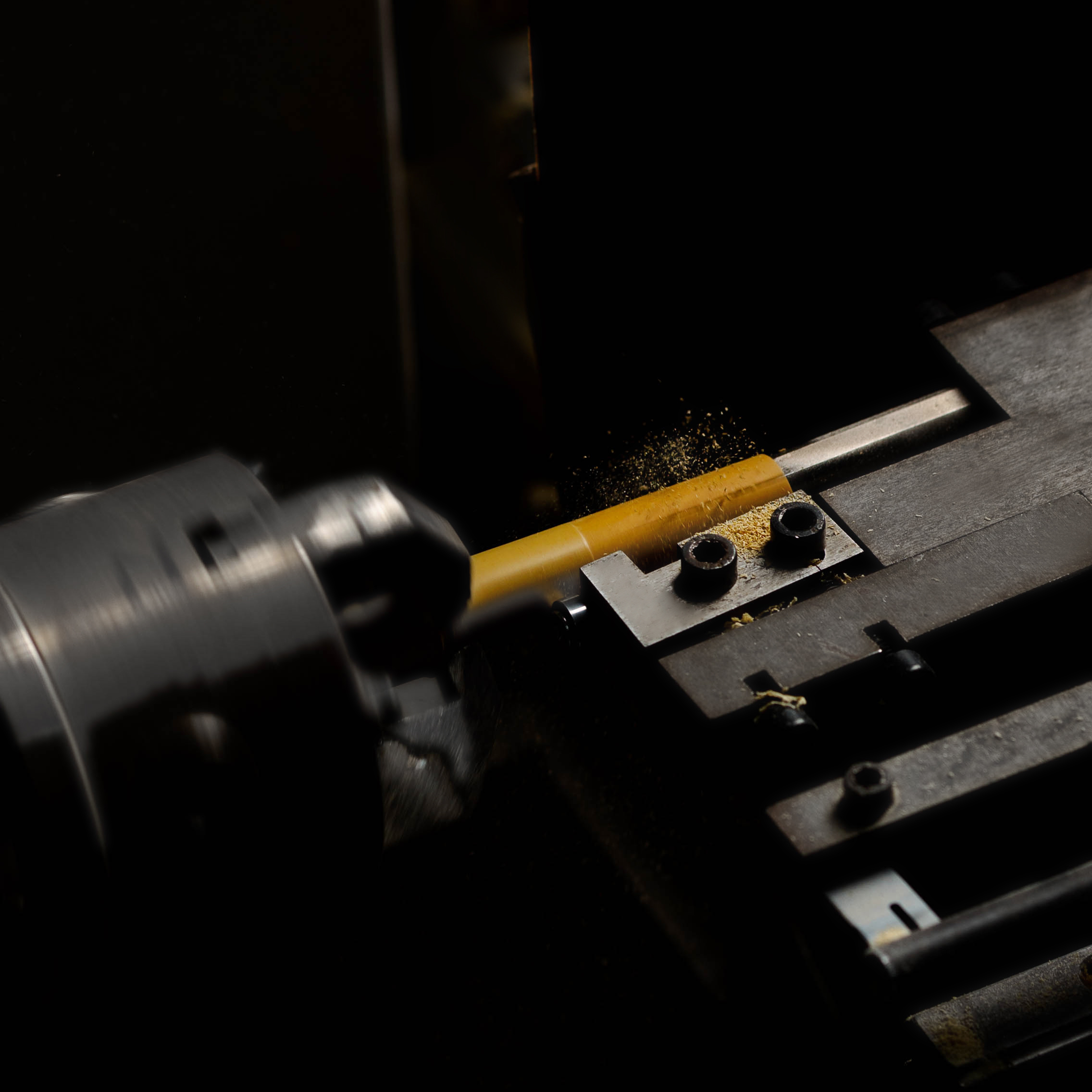
Aged bamboo (typically 1–4 years old, depending on the grade) is cut to length and lathe-shaped into a rough cylindrical head. This early step is machine-assisted for consistent dimensions, before the more detailed hand-finishing work begins.
2. Tine Thinning
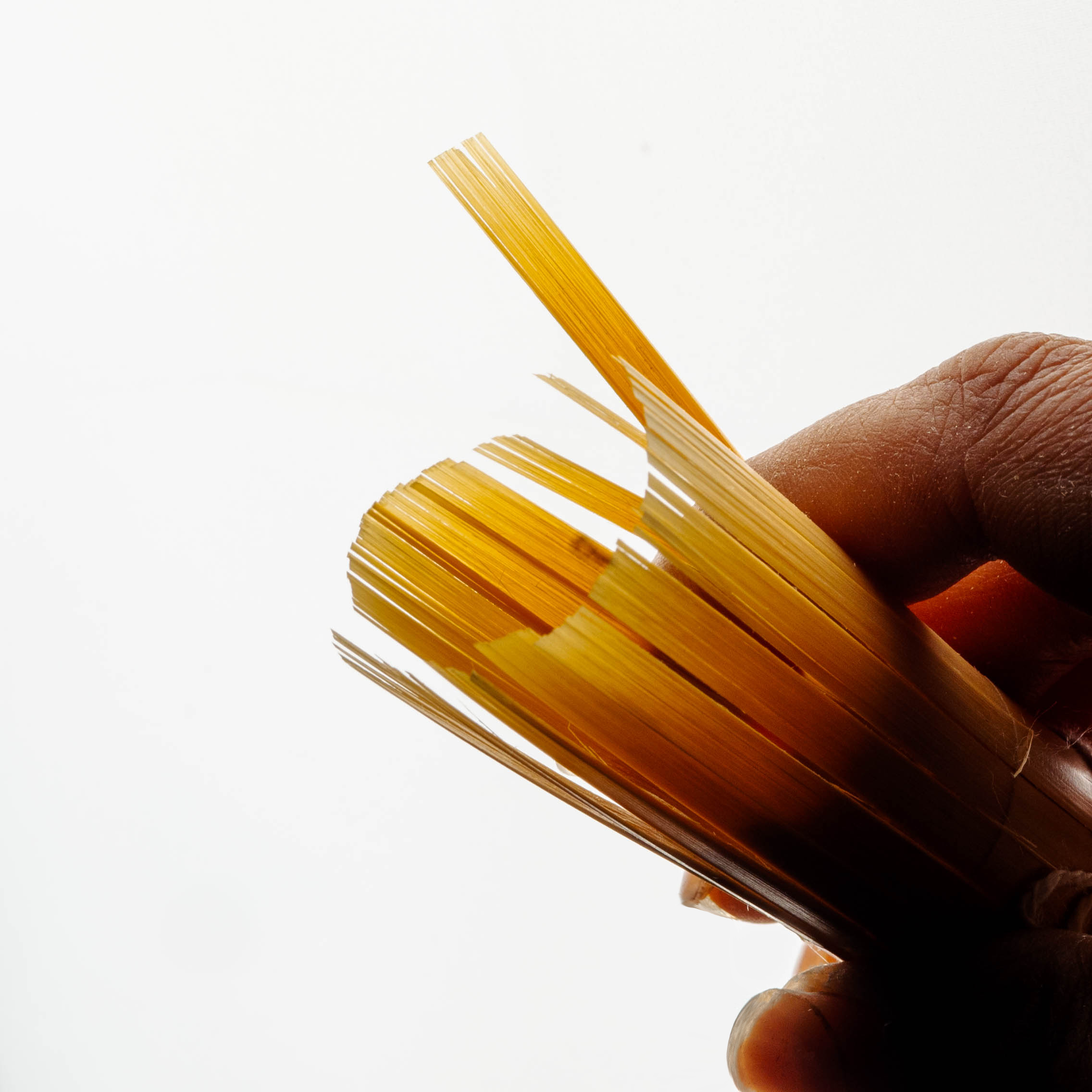
The bamboo head is sliced into thin strips by hand. This step directly determines the final tine count — more precise, even slicing allows for higher tine-count grades (up to 80 tines) without weakening the bamboo.
3. Splitting
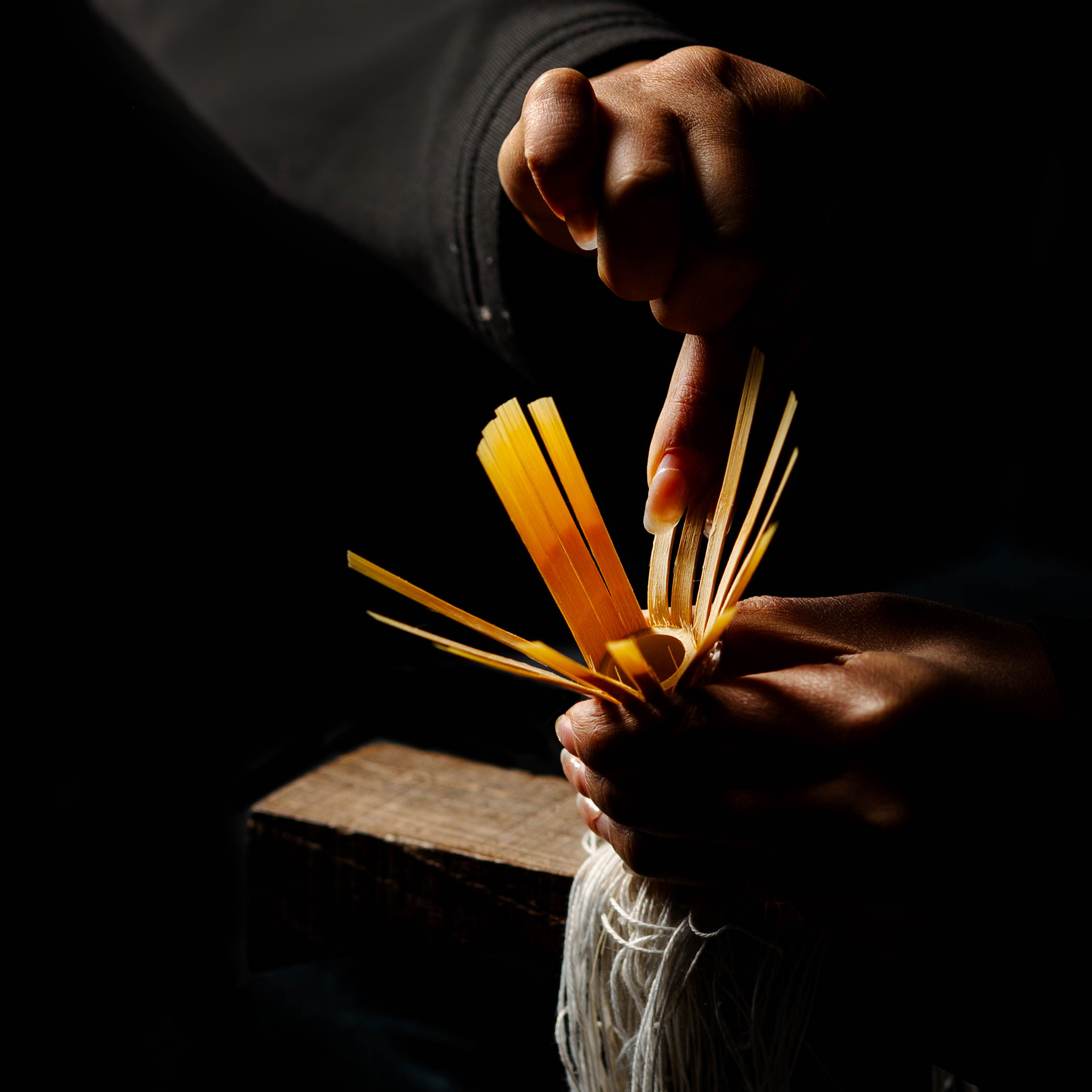
Each strip is split further into finer tines, a step that relies on skilled hand-finishing — machine-cut tines tend to be less flexible and more prone to snapping during whisking.
4. Separating the Tines
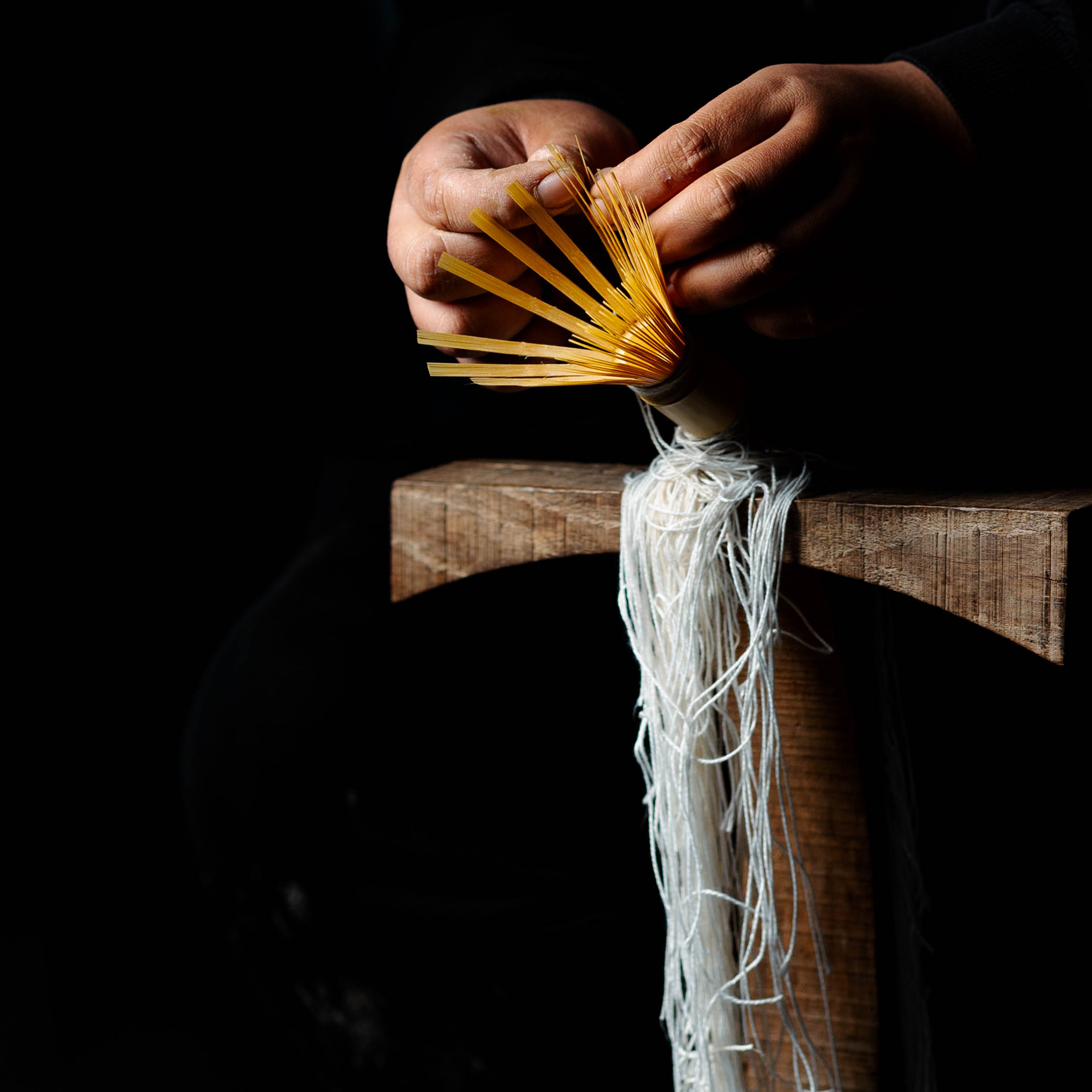
Craftsmen carefully separate and fan out each tine to prepare for curling. Consistency at this stage is what gives a finished whisk its even, symmetrical shape.
5. Curling the Inner Tines
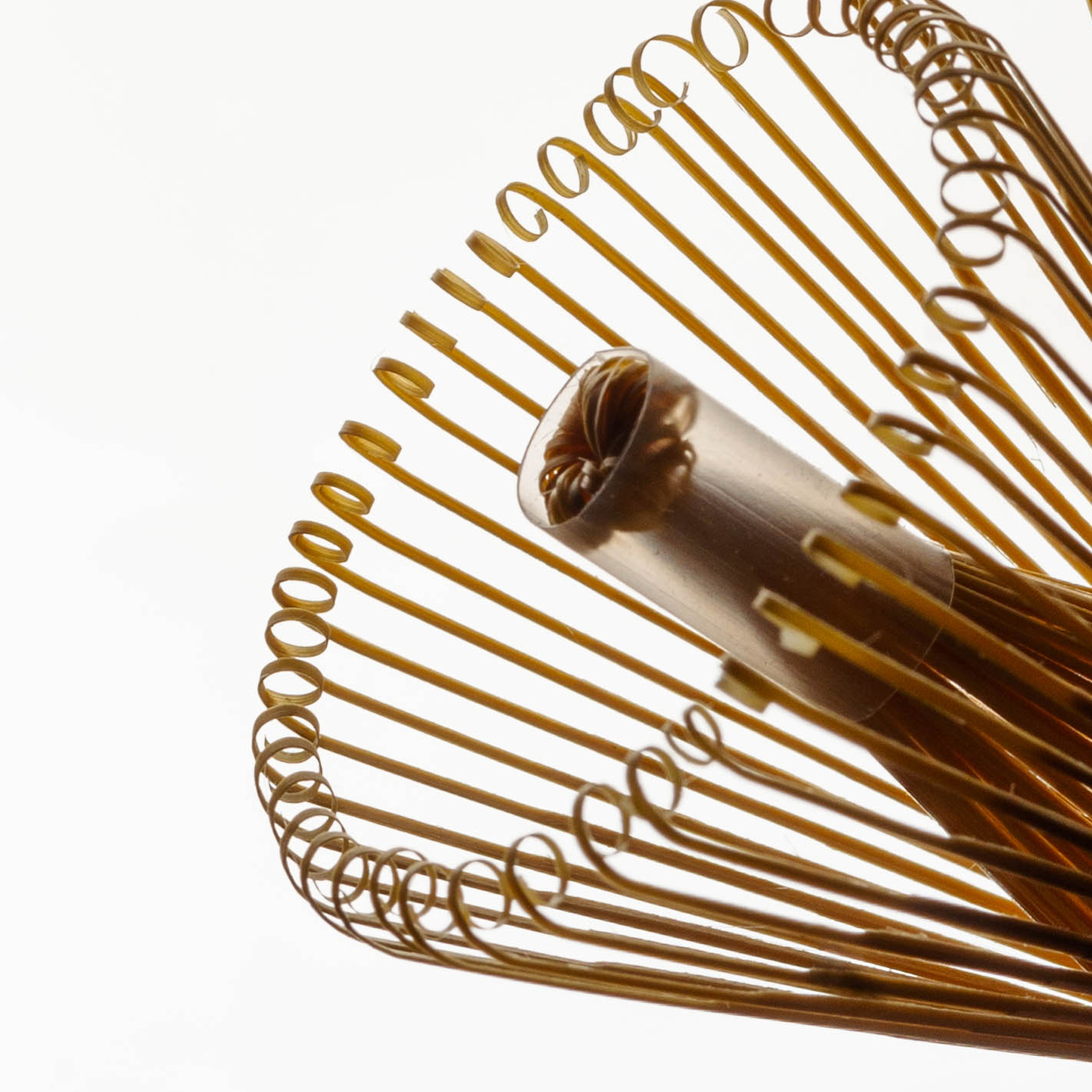
The innermost tines are curled inward — this detail is what allows the chasen to whisk matcha into a smooth, fine foam rather than just stirring the liquid.
6. Heat-Setting the Curl
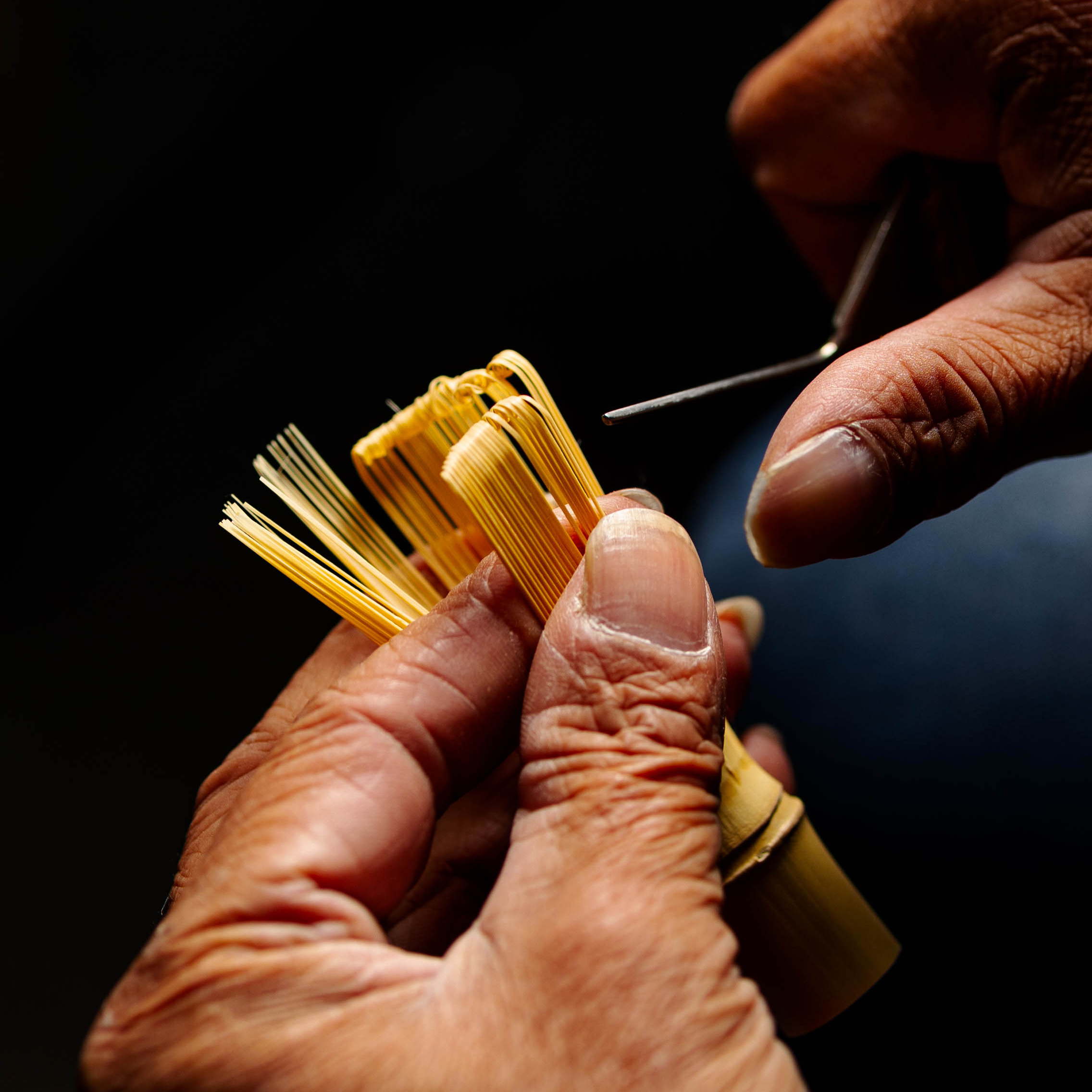
Heat is applied to set the curl permanently in place, so the shape holds up to repeated use and washing over time.
7. Binding the Base
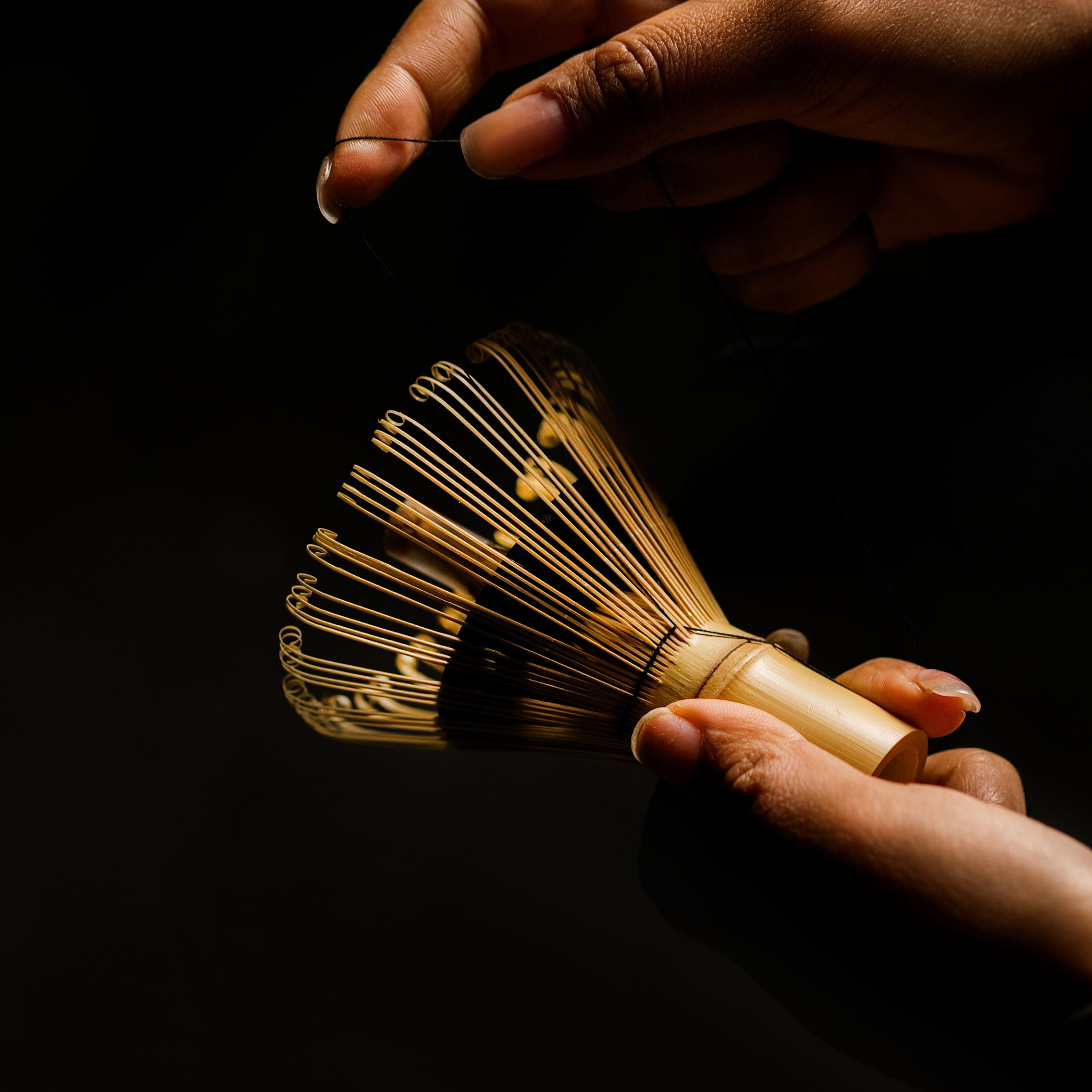
Thread is wound tightly around the base to secure all the tines to the handle. This binding needs to be tight enough to prevent loosening but flexible enough not to crack the bamboo.
8. Final Shaping
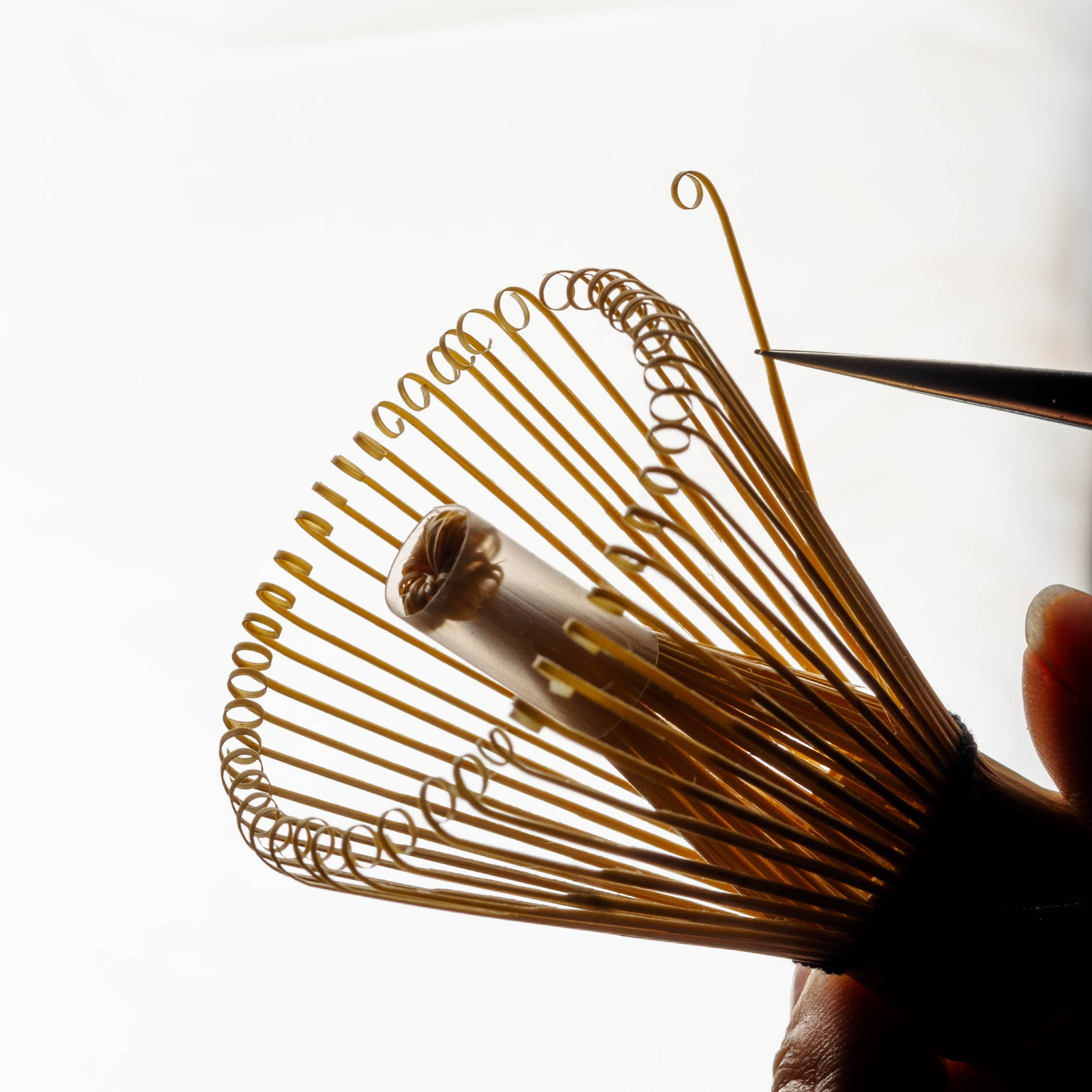
The tines are arranged into their final rounded shape and inspected for evenness. Only whisks that pass this quality check move on to packaging.
Why This Matters for Wholesale Buyers
Bamboo shaping is machine-assisted for consistent dimensions, while the remaining steps — splitting, curling, binding, and final shaping — rely heavily on skilled hand-finishing. This combination is deliberate: the machine step ensures consistent raw dimensions across large batches, while the hand-finished steps are what actually determine tine flexibility and foam quality. When comparing suppliers, ask specifically which steps are hand-done. A whisk that is machine-made from start to finish is typically cheaper but noticeably less durable and less capable of producing a fine, consistent foam.
Frequently Asked Questions
Is the entire chasen making process done by hand?
Only the first step — shaping the raw bamboo into a rough cylindrical head — uses a lathe for consistent dimensions. The remaining steps, including tine splitting, curling, and binding, rely heavily on skilled hand-finishing.
How long does it take to make one chasen?
A single whisk takes a skilled craftsman a meaningful amount of hand-work time, which is why bulk lead times (15–25 days depending on order size) reflect real production capacity rather than just packaging and shipping.
Can I visit the factory or request production videos?
Yes, we’re happy to share production photos or videos on request — contact us via WhatsApp or email to arrange this.
Ready to source bamboo chasen for your own tea brand or retail line? Browse our full range of wholesale matcha whisks, or request a quote below for your specific tine count and bamboo type.